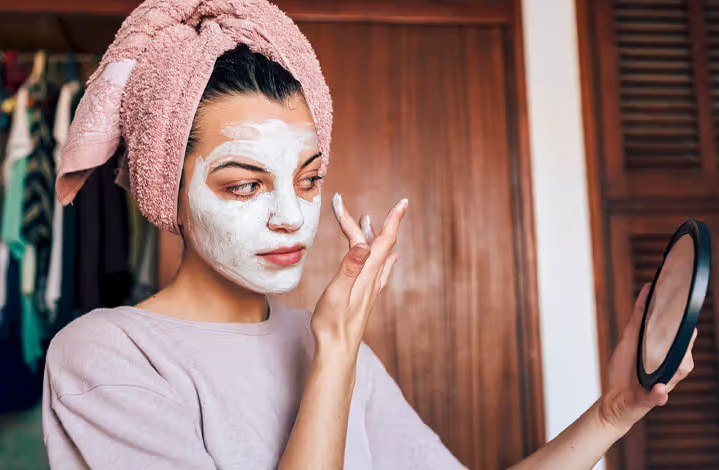
There comes a point for many people when regular acne products and routines seem to lose their effectiveness. The same cleansers, serums, or spot treatments that once helped reduce breakouts suddenly stop showing results. This can be frustrating, especially when acne continues to cause redness, scarring, and loss of confidence. When this happens, it may be time to explore professional options that address the root cause rather than just managing surface symptoms.
Modern aesthetic medicine offers a range of proven methods to treat acne that does not respond to over-the-counter or prescription products. With advanced diagnostic tools and customized solutions, experts can help patients achieve clearer skin by targeting the deeper biological and environmental factors that contribute to persistent acne.
Why Acne Becomes Resistant to Treatment
Acne develops when the skin’s oil glands produce excess sebum, leading to clogged pores and bacterial growth. However, acne is rarely caused by one single factor. Hormones, stress, genetics, and lifestyle can all contribute, making treatment complex. For those struggling with persistent breakouts, professional acne removal Singapore clinics offer targeted solutions that address the root causes of acne rather than just its surface symptoms, helping to restore clearer, healthier skin over time.
For some people, acne becomes resistant to common medications or skincare ingredients after prolonged use. This is because the bacteria that cause acne, Cutibacterium acnes, can adapt over time. In addition, some treatments may over-dry or irritate the skin, triggering rebound oil production and new breakouts.
A personalized approach, guided by an experienced specialist, can uncover why your current treatments have stopped working and what steps can restart progress.
When to Seek Professional Help
If acne persists despite consistent use of topical or oral medications for several months, or if scarring begins to develop, it is a good idea to consult a professional. Seeking help from a clinic that provides acne removal patients trust allows for a more comprehensive assessment and customized treatment plan.
Aesthetic professionals use diagnostic methods to evaluate:
- Sebum levels and pore activity
- Bacterial presence and inflammation
- Hormonal patterns
- Skin sensitivity and healing capacity
By understanding these details, they can tailor treatments to your specific acne type, ensuring better and more sustainable results.
Modern Treatments That Target Resistant Acne
Laser and Light-Based Therapies
Laser and light treatments have revolutionized acne management. They work by reducing oil gland activity, killing acne-causing bacteria, and calming inflammation.
- Blue Light Therapy: Specifically targets acne bacteria on the skin’s surface without harming surrounding tissue.
- IPL (Intense Pulsed Light): Uses multiple wavelengths to reduce redness, inflammation, and sebum production.
- Fractional Laser: Helps to both control active acne and improve the appearance of scars by stimulating collagen renewal.
These treatments are non-invasive and suitable for both active breakouts and long-term maintenance.
Chemical Peels
Chemical peels help exfoliate dead skin cells, unclog pores, and encourage faster skin turnover. Depending on your skin type and condition, your specialist may recommend:
- Salicylic Acid Peels: Penetrate deeply to control oil and prevent future breakouts.
- Glycolic Acid Peels: Improve texture, brighten the skin, and help fade post-acne marks.
- TCA Peels: Treat moderate to severe acne and minimize scarring.
Peels also improve the effectiveness of other treatments by enhancing product absorption and stimulating fresh, healthy skin growth.
Microneedling with Radiofrequency
Microneedling with radiofrequency (RF) is a popular treatment for both active acne and scarring. Fine needles create controlled micro-injuries in the skin, triggering collagen and elastin production. The addition of RF energy helps reduce oil production and tighten pores.
Over time, this treatment smooths skin texture, reduces inflammation, and minimizes the appearance of old acne scars.
Oral and Hormonal Treatments
For patients whose acne is driven by hormonal fluctuations, particularly women, hormonal therapies can be effective. Options may include:
- Oral contraceptives: Help balance hormonal activity that triggers oil production.
- Spironolactone: Reduces androgen levels, decreasing sebum and inflammation.
- Isotretinoin (Accutane): A powerful medication prescribed for severe, resistant acne that does not respond to other treatments.
These treatments should always be supervised by a qualified doctor, as dosage and duration depend on each patient’s medical history and skin condition.
Medical Facials and Extraction Treatments
Professional facials performed in a clinical setting go beyond spa-level care. Medical-grade facials often include cleansing, exfoliation, and manual extractions under sterile conditions to safely remove blackheads, whiteheads, and clogged impurities.
Some aesthetic clinics combine facials with mild peels or LED light therapy for enhanced results. Regular treatments help maintain clear pores and prevent recurrence.
See also: Canna Rhizotonic: A Key Component in Plant Growth and Health
The Role of Lifestyle in Persistent Acne
Even with the best treatments, lifestyle factors play an important role in skin health. Making a few mindful adjustments can help support long-term improvement:
- Diet: Reduce high-glycemic foods and dairy products, which may trigger acne for some people.
- Stress Management: High stress increases cortisol, a hormone linked to oil production and inflammation.
- Sleep: Lack of rest disrupts the body’s healing process and hormone balance.
- Hygiene: Regularly clean items that touch your face, such as phones, pillowcases, and makeup brushes.
Addressing both external and internal triggers ensures that treatments work more effectively and results last longer.
The Importance of a Personalized Treatment Plan
No two cases of acne are the same. What works for one person may not be effective for another. That is why professional acne treatment begins with a detailed skin analysis.
A personalized plan can include a combination of in-clinic treatments and at-home skincare designed to address the causes of your acne at multiple levels. This multi-layered approach helps break the cycle of inflammation, infection, and scarring.
When developing a plan, specialists consider:
- Skin type and sensitivity
- Hormonal profile
- History of previous treatments
- Lifestyle and stress factors
By understanding your skin holistically, they can create a path that promotes healing, balance, and lasting clarity.
Restoring Skin Health and Confidence
Dealing with acne that resists treatment can feel discouraging, but modern solutions are more advanced and effective than ever. Aesthetic experts combine science, technology, and experience to create customized therapies that restore your skin’s health and confidence.
With the right professional care, acne can be managed successfully, and the damage it leaves behind can be repaired. The transformation is not only visible but emotional—helping patients feel comfortable and empowered in their own skin again.
Commonly Asked Questions
How do I know if my acne is resistant to treatment?
If you have used prescribed or over-the-counter treatments for several months without improvement, or if breakouts persist after initial clearing, it may be resistant acne.
Are professional acne removal treatments safe?
Yes. Treatments performed at reputable aesthetic clinics are safe, effective, and tailored to your skin’s specific needs.
How many sessions are needed to see results?
Most patients notice improvement after three to five sessions, depending on the treatment type and acne severity.
Can acne treatments also help with scars?
Yes. Many modern treatments, such as lasers and microneedling, target both active acne and scarring, helping to refine skin texture and tone.
Will my acne come back after treatment?
Results can be long-lasting with proper skincare and maintenance. However, hormonal changes or lifestyle factors may cause flare-ups, which can be managed through follow-up care.
Next Steps
If your acne has stopped responding to your usual routine, it may be time to explore professional care. Visit a trusted aesthetic clinic that specializes in acne removal Singapore patients recommend for safe, proven results. With customized treatments and expert guidance, you can finally regain control over your skin and achieve a clearer, healthier complexion that lasts.